Instrument development
Instrument Scientist
Specialized in UV instrumentation for astronomical observations, with focus on detector characterization, optical calibration, and end-to-end instrument testing for space and suborbital missions.
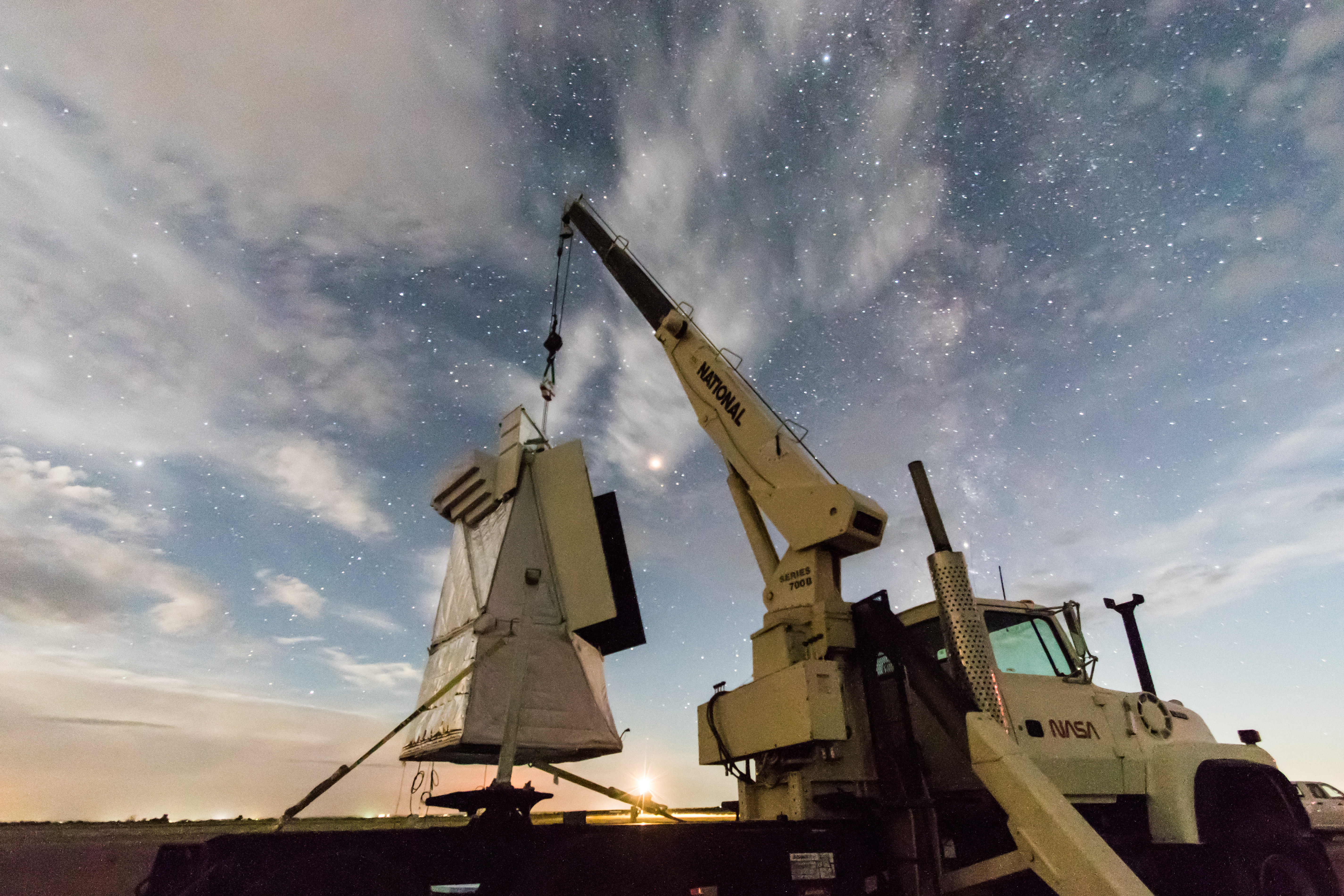
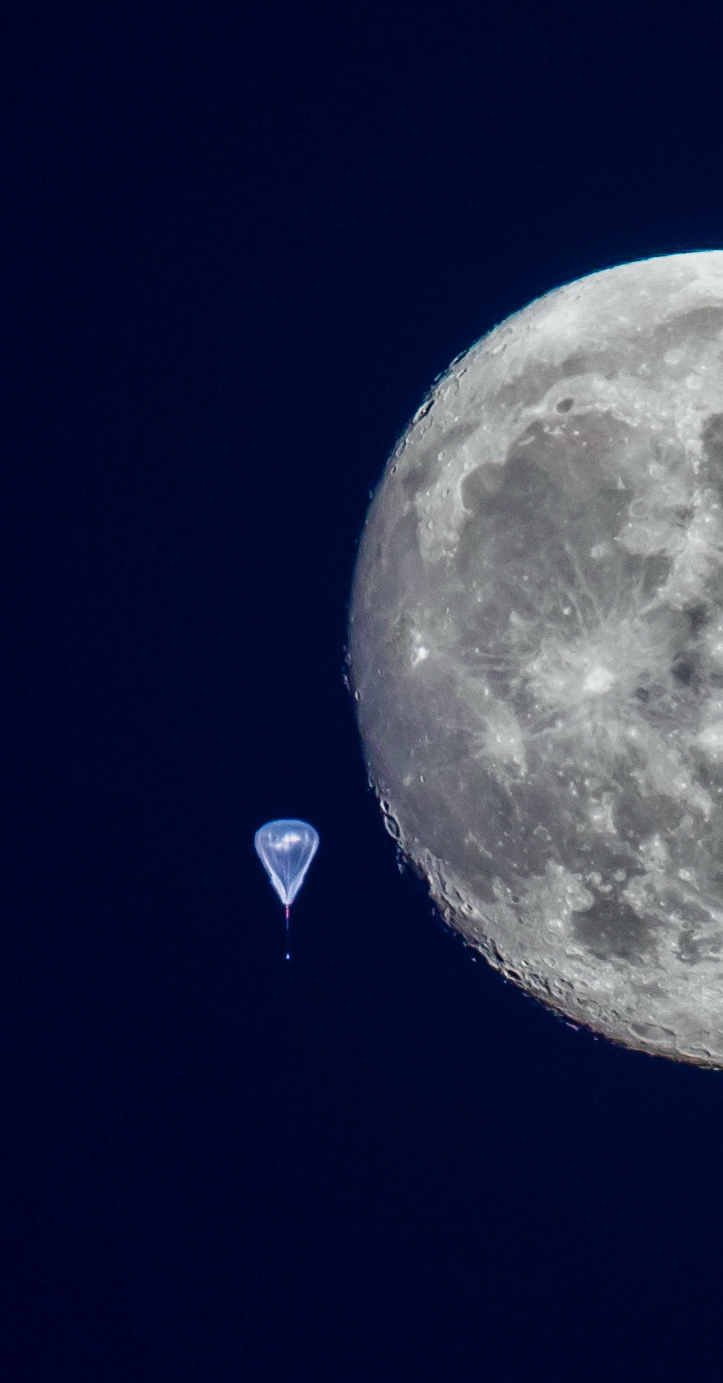
launched to 35 km altitude in the stratosphere
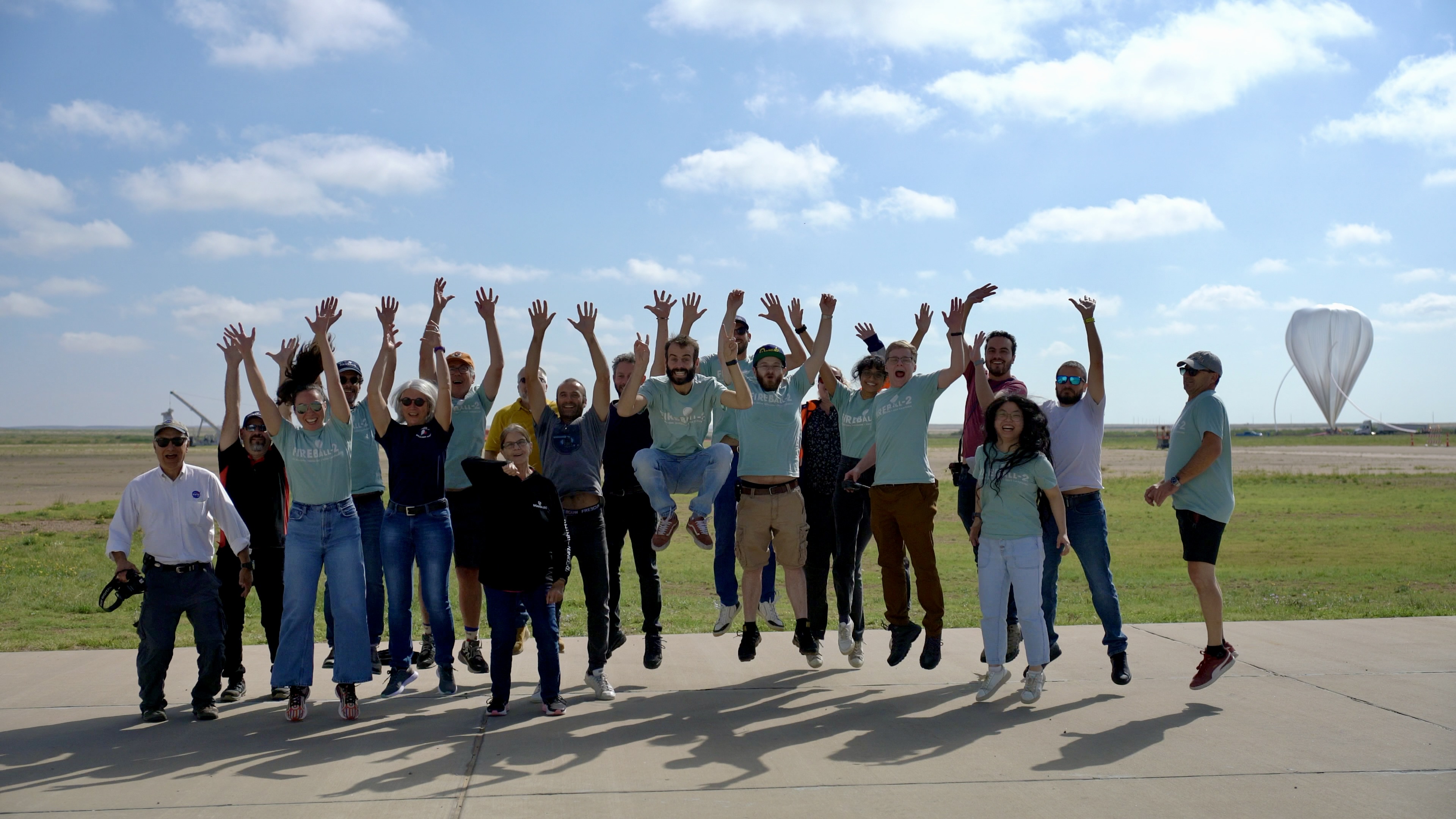
Systems Engineer on suborbital Projects
Complete project lifecycle experience:
- Requirements analysis: Develop different science cases based on simulations to derive instrument equirements and predict observations (Augustin 19)
- Mission concept development: Instrument modeling, trade studies and observation predictions based on developted generic ETC (GitHub)
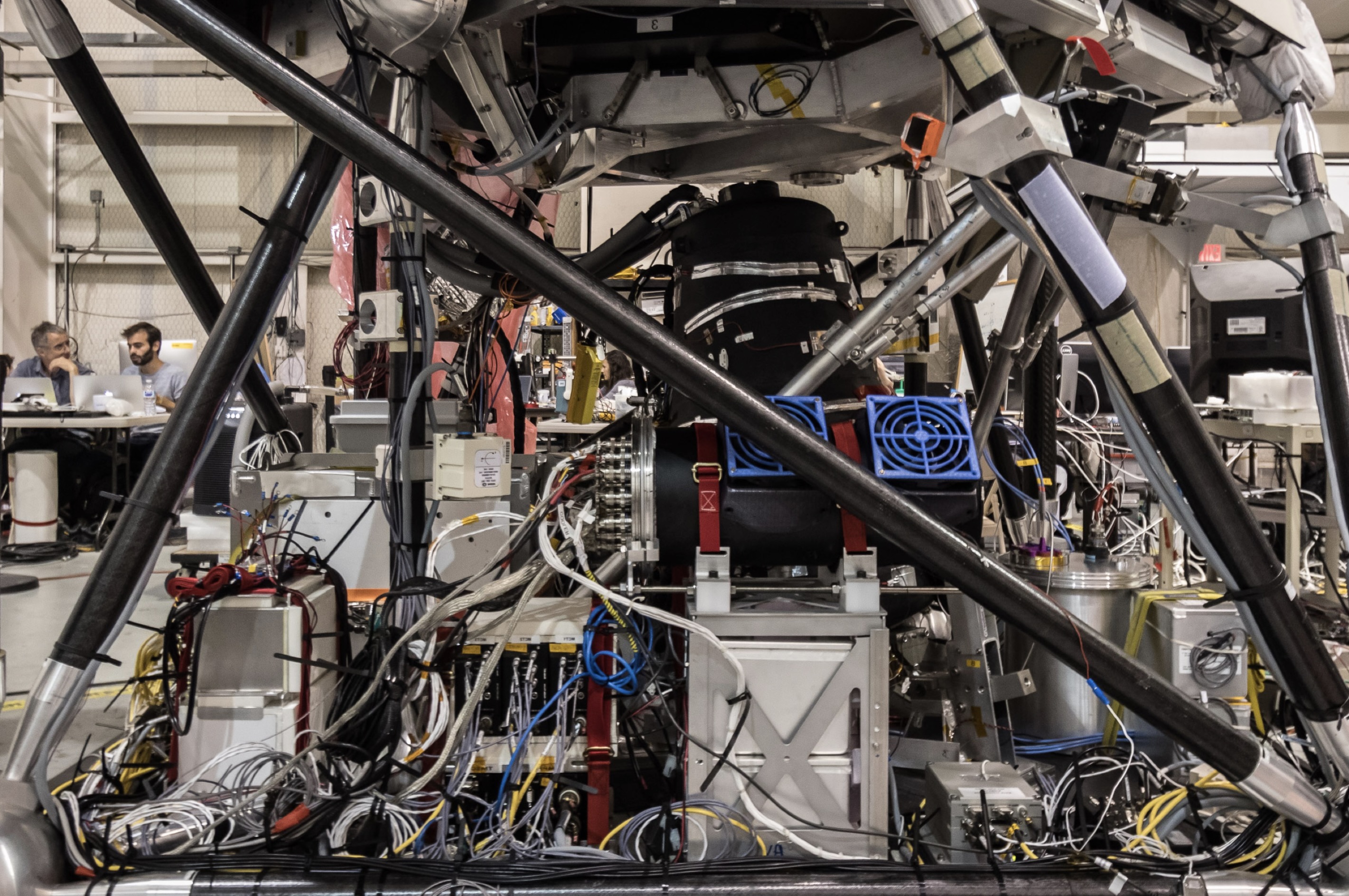
- Subsystem development and implementation: Suborbital projects provide opportunities to work across multiple subsystems, from detectors to cooling system
- Assembly, Integration & Testing: Picouet 20
- Flight operations: Picouet 2020
- Data reduction & science: Picouet 23, Desprez & Picouet 23
Software development
Generic ETC
Instrument modelling for exposure time calculations, trade studies, and instrument/observations optimization
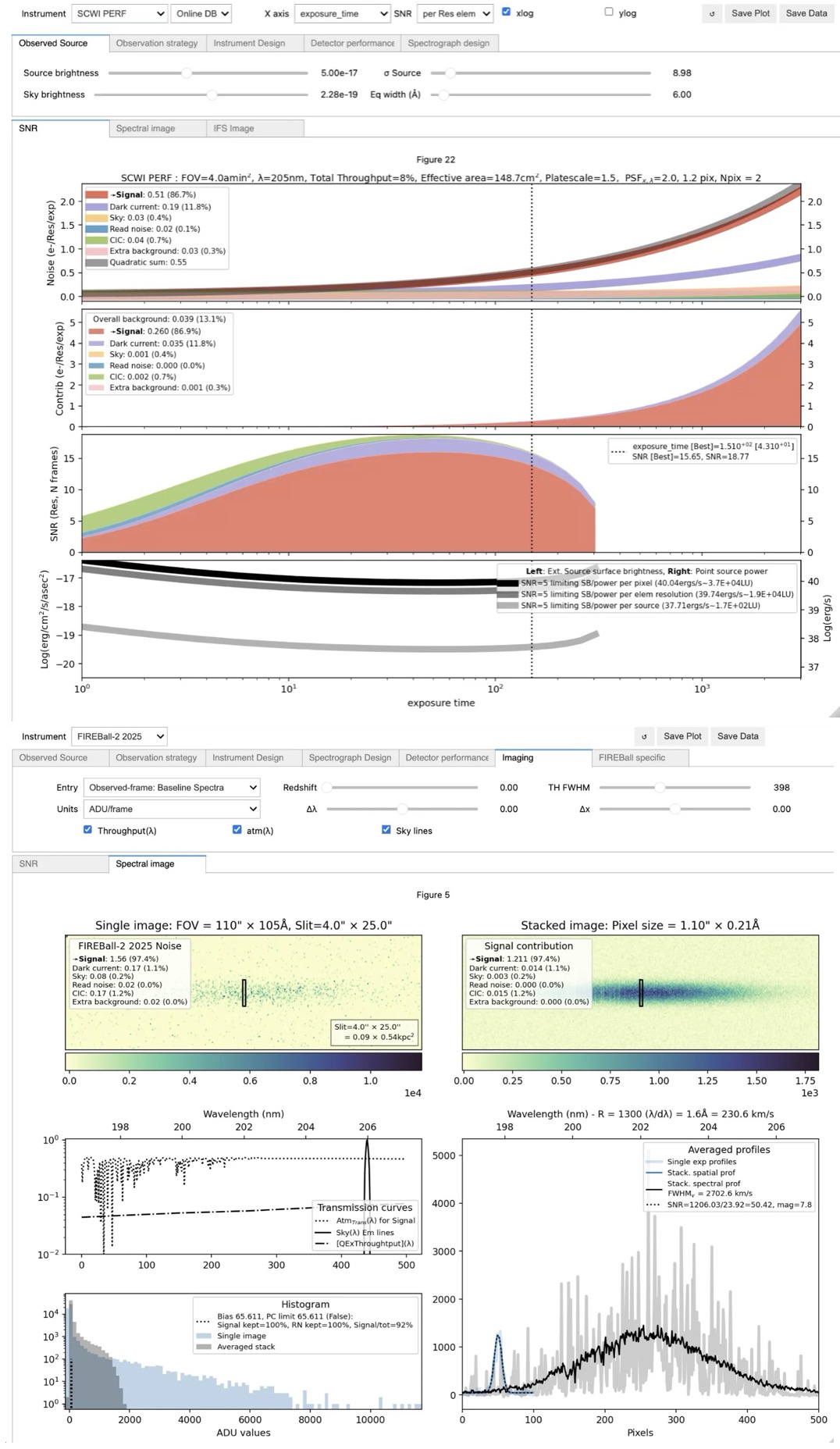
Exposure time calculator (ETC) & an instrument model, aiming for broader applicability, with a high level of genericity. As others ETC, it estimates the expected SNR and predicts observations to improve the reduction pipeline or adapt detection strategy, but more importantly, it enables analysis of the evolution of the SNR with all the instrument/observation parameters, allowing to examine the instrument efficiency, explore the SNR evolution under different scenarios and run different trade studies. The ETC is linked to an online database to allow any scientist to add their own spectrograph instrument. The current version already encompasses more than 20 instruments, some with several channels or configurations. This tool can be valuable for instrument comparisons and trade-off analysis to either optimize the instrument design or the observation strategy.
Data reduction for science and instrumentation
pyds9plugin plugin
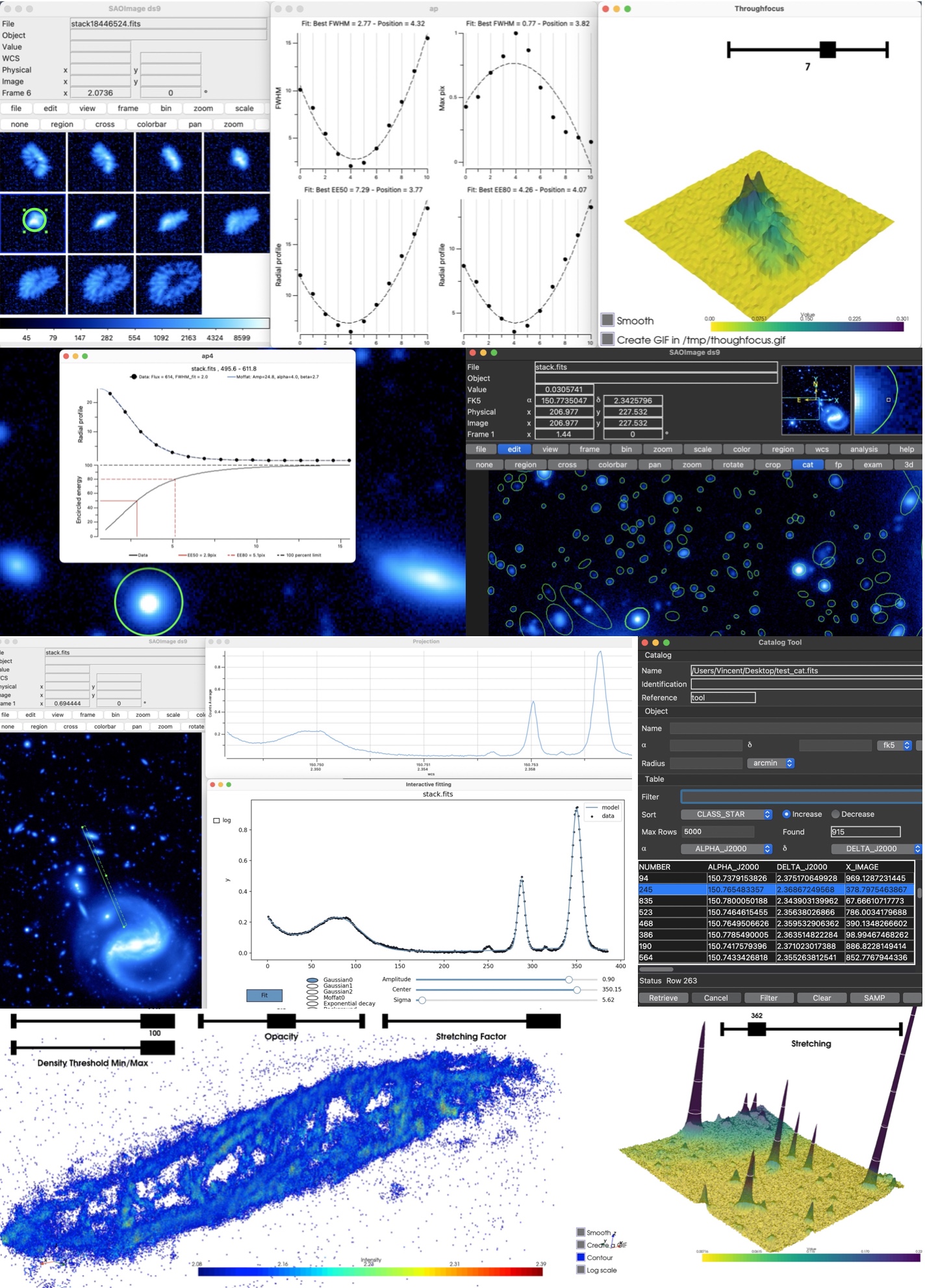
An interactive data analysis plugin to quantitatively analyze and process astronomical images. Built as an extension to SAOImage DS9, This highly interactive extension provides tens of image treatments and analysis, that can be generalized automatically to a set of images to turn the plugin into a multiprocessing pipeline. Its design can be easily combined with user-written scripts to allow scientists to add their own Python macros, fitting functions, etc..
Science Focus
Circumgalactic Medium
Studying the diffuse gas surrounding galaxies to understand galaxy evolution and the cosmic baryon cycle.
Star Formation
Investigating star formation rates and processes through UV observations and multi-wavelength analysis.